Home Blog Page 58

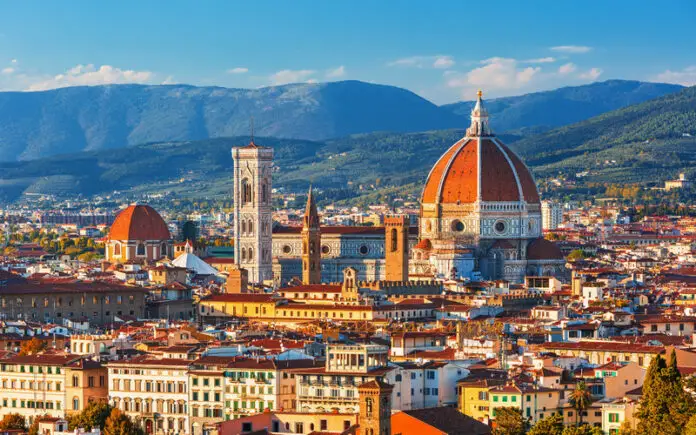
10 Things Not To Do When Visiting Florence, Italy
0

Don’t Ignore the Dress Code: Modesty Matters

When visiting Florence’s cultural and religious sites, such as churches and museums, remember that modest dress is crucial.

Avoid wearing revealing clothing, and be mindful of covering your shoulders and knees. Failure to adhere to the dress code may result in denied entry, preventing you from experiencing the artistic treasures housed within these establishments.

Don’t Disregard Local Customs: Respect the Siesta

Italians take their siesta seriously, and Florence is no exception. During the afternoon hours, many local businesses, including shops and restaurants, may close for a few hours to allow residents to rest.

Respect this tradition and plan your activities accordingly. Use this time to explore outdoor attractions, take a leisurely stroll, or enjoy a traditional Italian espresso in a local café.

Avoid Rushing Through Museums: Savor the Art

Florence is a treasure trove of art and history, and its museums, including the Uffizi Gallery and the Accademia Gallery, house masterpieces by Michelangelo, Leonardo da Vinci, and Botticelli.

Don’t rush through these cultural institutions. Take your time to appreciate the details, immerse yourself in the stories behind the art, and savor the unique atmosphere of each gallery.

Don’t Ignore the Local Cuisine: Embrace Italian Dining Etiquette

Italian cuisine is an integral part of the Florentine experience, and it comes with its own set of dining etiquette. Never ask for extra cheese on your seafood pasta, as it’s considered a culinary faux pas.

Likewise, avoid putting ketchup on pasta – Italians take great pride in their traditional recipes, and these gestures may be seen as disrespectful to the chef’s expertise.

Avoid Peak Tourist Hours: Beat the Crowds

Florence is a popular destination, and its attractions can get crowded, especially during peak tourist hours.

To fully enjoy the city’s landmarks without the hustle and bustle, plan your visits early in the morning or later in the evening. You’ll have a more intimate experience and be able to capture the beauty of Florence without the crowds.

Don’t Forget to Validate Your Tickets: Mind the Rules

Public transportation in Florence, including buses and trams, requires validated tickets before boarding.

Failing to do so can result in hefty fines. Ensure you validate your ticket at designated machines before your journey begins. This simple step will save you from unnecessary trouble and allow you to explore the city seamlessly.

Avoid Overlooking Local Markets: Dive into Authenticity

Florence’s markets, such as the Mercato Centrale, offer an authentic glimpse into daily life. Don’t miss the opportunity to explore these bustling hubs of activity.

Wander through stalls of fresh produce, local cheeses, and handmade crafts. Engage with vendors, sample regional delicacies, and immerse yourself in the vibrant tapestry of Florentine culture.

Don’t Treat Street Vendors Aggressively: Be Polite

Street vendors are a common sight in Florence, particularly around popular attractions. While some may be persistent, it’s essential to remain polite and respectful. If you’re not interested, a simple and firm “no, thank you” will usually suffice.

Avoid engaging in aggressive or confrontational behavior, as it can detract from your overall experience and create unnecessary tension.

Avoid Clambering on Monuments: Preserve the Past

Florence’s historic monuments, including statues and fountains, are not climbing structures. Climbing on these structures not only poses a risk to your safety but also contributes to wear and tear on these valuable pieces of history.

Respect the city’s cultural heritage by appreciating these landmarks from a distance and refraining from any actions that could cause damage.

Don’t Overlook the Perks of Local Insight: Connect with Locals

Lastly, don’t miss the chance to connect with the locals. Florence is a city with a rich community, and engaging with residents can enhance your experience. Whether it’s striking up a conversation in a local café, seeking recommendations from shopkeepers, or attending community events, embracing local insight can lead to hidden gems and a more authentic understanding of this Renaissance city.

As you embark on your journey through Florence, keep in mind these 10 things not to do to ensure a respectful and enriching experience. By adhering to local customs, savoring the city’s artistic and culinary offerings, and respecting the historical treasures, you’ll forge a deeper connection with Florence and its timeless charm.

Best Roman Attractions in Italy That Are Actually Worth It
0

The Colosseum: Icon of Roman Ingenuity

Undoubtedly the most iconic symbol of ancient Rome, the Colosseum stands as a testament to Roman engineering and entertainment.

A visit to this grand amphitheater offers a glimpse into the gladiatorial contests and spectacles that once captivated the city. Marvel at the colossal structure, explore the underground chambers, and envision the roar of the crowds as you stand in the heart of this architectural marvel.

Roman Forum: A Walk Through History

Adjacent to the Colosseum lies the Roman Forum, a sprawling archaeological site that served as the heart of ancient Rome. This open-air museum boasts ruins of temples, government buildings, and ancient marketplaces.

Take a leisurely stroll through history as you wander among the remnants of a once-thriving city center, where political, social, and commercial activities converged.

Pantheon: The Dome of the Gods

The Pantheon, with its breathtaking dome and timeless design, is a Roman masterpiece that continues to awe visitors today.

Originally a temple dedicated to all gods, the Pantheon showcases the genius of Roman engineering with its perfectly preserved dome and oculus. Step inside to experience the interplay of light and shadow, and appreciate the beauty of this architectural marvel.

Vatican City: St. Peter’s Basilica and the Sistine Chapel

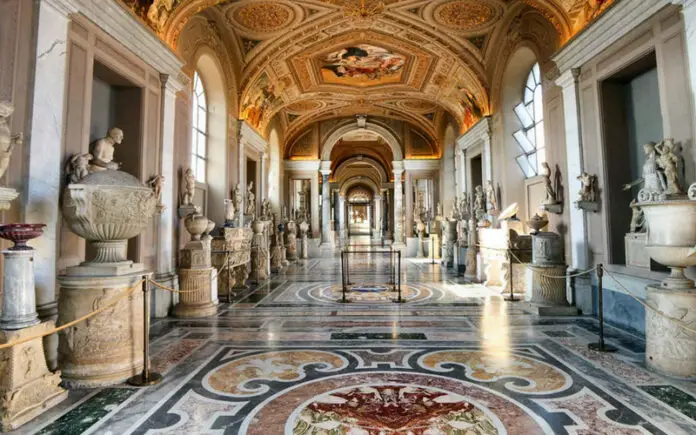
While technically a separate city-state, Vatican City is an essential stop for any Rome itinerary. St. Peter’s Basilica, with its awe-inspiring dome and Michelangelo’s iconic Pieta, is a marvel of Renaissance art and architecture.

Continue to the Sistine Chapel, where Michelangelo’s frescoes, including the famous Creation of Adam, adorn the ceiling, creating an unparalleled artistic experience.

Trevi Fountain: A Baroque Masterpiece

The Trevi Fountain, a grand Baroque masterpiece, is more than just a stunning water feature.

Toss a coin into its crystal-clear waters to ensure your return to Rome and make a wish as you stand before the sculptures of Neptune, Triton, and other mythical figures. Especially magical in the evening, the Trevi Fountain is a must-visit for its sheer beauty and the legends that surround it.

Palatine Hill: Overlooking Ancient Rome

For a panoramic view of ancient Rome, head to Palatine Hill, one of the Seven Hills of Rome. As the legendary birthplace of Rome, Palatine Hill offers a tranquil escape from the bustling city below.

Wander through the ruins of imperial palaces and take in the sweeping vistas of the Roman Forum and Circus Maximus.

Capitoline Museums: Art and Antiquities

The Capitoline Museums, perched on Capitoline Hill, house a remarkable collection of classical art and artifacts.

From the iconic statue of Marcus Aurelius to the captivating Capitoline Wolf, the museums provide a comprehensive journey through Rome’s artistic and cultural evolution. The Piazza del Campidoglio, designed by Michelangelo, is an architectural gem in itself.

Baths of Caracalla: Ancient Opulence

Step back in time to experience the opulence of ancient Roman baths at the Baths of Caracalla.

This sprawling complex once accommodated thousands of bathers and featured gymnasiums, gardens, and libraries. Today, the towering ruins offer a glimpse into the scale and sophistication of Roman leisure architecture.

Appian Way: The Queen of Roads

For a unique Roman experience, explore the ancient Appian Way, one of the earliest and most strategic Roman roads. Lined with tombs, catacombs, and ancient ruins, the Appian Way provides a serene escape from the urban hustle.

Rent a bicycle or take a leisurely walk along this historic road to absorb the atmosphere of ancient Roman life.

Ara Pacis: Altar of Peace

Commissioned by Emperor Augustus, the Ara Pacis, or Altar of Peace, is a stunning example of Roman religious art. The altar, adorned with intricate friezes depicting scenes of peace and prosperity, is housed in a modern, architecturally striking building designed by Richard Meier. Visit to appreciate the delicate craftsmanship and the historical significance of this lesser-known gem.

Rome’s allure lies not only in its well-known landmarks but also in the hidden corners that whisper tales of ancient grandeur. These 10 Roman attractions offer a diverse and enriching experience, allowing you to delve deep into the history, art, and culture of this eternal city. As you explore each site, you’ll find that the essence of Rome is not merely in its monuments but in the layers of history that unfold at every turn, inviting you to become a part of its eternal story.

6 Super Affordable Summer Vacation Spots in Italy
0

Matera – The Ancient City of Caves

Nestled in the southern region of Basilicata, Matera is an ancient city known for its unique cave dwellings and historic charm. The Sassi di Matera, a UNESCO World Heritage site, is a complex network of ancient cave homes, carved into the limestone cliffs.

Wander through the narrow cobblestone streets, explore ancient churches, and indulge in local cuisine at family-run trattorias. Matera offers an authentic Italian experience at a fraction of the cost of more touristy destinations.

Procida – The Colorful Island Retreat

Escape the crowds of Capri and head to Procida, a picturesque island in the Bay of Naples. With its pastel-colored buildings, tranquil beaches, and a laid-back atmosphere, Procida is the perfect budget-friendly alternative.

Explore the vibrant fishing villages, relax on secluded beaches, and savor fresh seafood at waterfront trattorias. Procida’s charm lies in its simplicity, making it an ideal spot for a relaxing summer getaway without breaking the bank.

Puglia – The Sun-Kissed Region

Puglia, located in the heel of Italy’s boot, is a sun-soaked region boasting crystal-clear waters, charming villages, and olive groves as far as the eye can see.

Bask in the sun on the Adriatic coast, visit the historic town of Alberobello with its iconic trulli houses, and enjoy the local cuisine featuring fresh seafood and hearty pasta dishes. Puglia offers an authentic Italian experience with affordable accommodations and a warm, welcoming atmosphere.

Abruzzo – Nature’s Playground

For nature enthusiasts seeking an affordable summer escape, Abruzzo is a hidden gem waiting to be discovered. Known as the “Green Region of Europe,” Abruzzo boasts stunning national parks, picturesque mountains, and charming medieval villages.

Explore the Gran Sasso and Majella National Parks, hike through lush landscapes, and savor locally produced wine and cheese. Abruzzo provides a serene and budget-friendly alternative to the more touristy regions of Italy.

Orvieto – A Hilltop Haven

Perched atop a volcanic tuff cliff in Umbria, Orvieto is a medieval hill town that offers a peaceful retreat with breathtaking views. Wander through the cobblestone streets, marvel at the Gothic cathedral, and explore the underground tunnels and caves.

Orvieto provides a tranquil setting away from the hustle and bustle of major tourist destinations, making it an affordable option for those seeking a relaxed summer vacation in a charming Italian town.

Tropea – Calabria’s Coastal Paradise

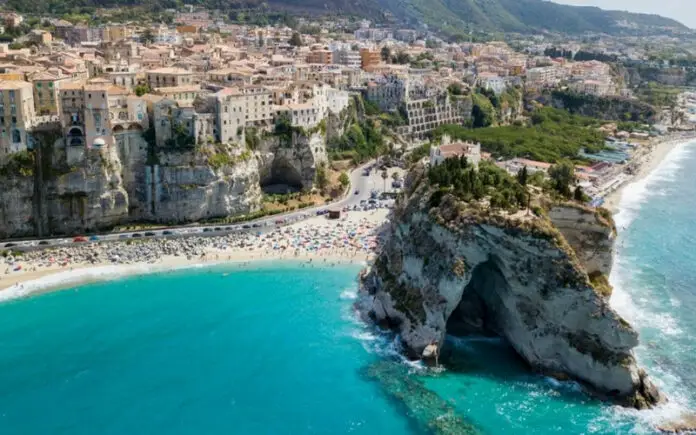
Situated on the coast of Calabria, Tropea is a seaside town known for its stunning beaches, clear turquoise waters, and historic architecture. Enjoy the sun on the pristine beaches, visit the clifftop Santa Maria dell’Isola church, and indulge in local gelato along the charming streets. Calabria, often overlooked by tourists, offers a budget-friendly coastal escape with the added bonus of delicious Southern Italian cuisine.

Italy, with its diverse landscapes and rich cultural heritage, offers much more than just the popular tourist destinations. By exploring these super affordable summer vacation spots, travelers can experience the true essence of Italy without straining their budget. From the ancient caves of Matera to the colorful streets of Procida and the serene landscapes of Abruzzo, these hidden gems promise an authentic Italian experience that is both memorable and cost-effective.

7 Italian Landmarks Not to Be Missed: A Journey through Time and Beauty
0

The Colosseum: Rome’s Eternal Icon

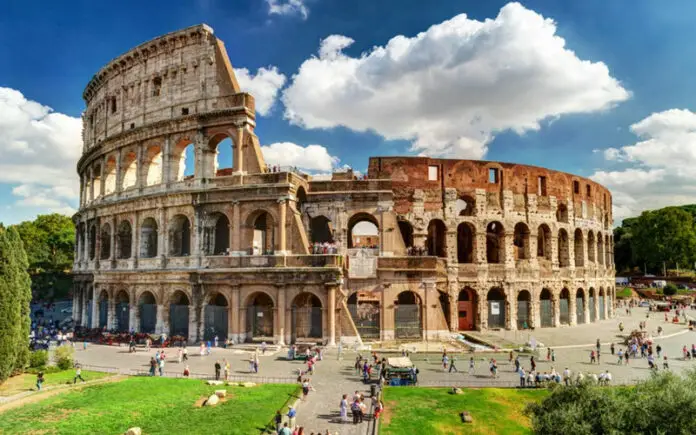
No journey through Italy is complete without a visit to the Colosseum, the epitome of Roman engineering and grandeur. Located in the heart of Rome, this ancient amphitheater once hosted gladiator contests, chariot races, and public spectacles.

The Colosseum’s iconic elliptical shape, colossal pillars, and arched corridors are awe-inspiring, providing a tangible link to the glory days of ancient Rome. Walking through the same corridors where spectators once cheered, one can almost hear the echoes of history, making the Colosseum an unmissable landmark that transcends time.

Florence’s Duomo: A Testament to Renaissance Mastery

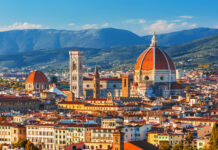
In the heart of Florence rises the magnificent Florence Cathedral, with its crowning jewel, the Duomo, dominating the city’s skyline. Designed by Filippo Brunelleschi, the Duomo is a marvel of Renaissance architecture.

  Its distinctive red-tiled dome, adorned with intricate frescoes, is a testament to human ingenuity and artistic brilliance. Climbing to the top rewards visitors with panoramic views of Florence, while the cathedral’s ornate facade and intricate details make it an enduring symbol of the Renaissance era’s commitment to beauty and craftsmanship.

The Leaning Tower of Pisa: An Engineering Marvel

In the charming city of Pisa, the Leaning Tower stands as a testament to both architectural audacity and engineering mishaps. Originally intended as the freestanding bell tower of Pisa Cathedral, the tower’s unintended tilt has made it one of the world’s most famous landmarks.

Despite its precarious appearance, the Leaning Tower has defied gravity for centuries, drawing visitors who marvel at its slanted charm. Climbing to the top offers a unique perspective of Pisa and a chance to appreciate the architectural brilliance that allows this iconic landmark to lean without falling.

The Vatican City: Spiritual Splendor

A sovereign city-state surrounded by Rome, the Vatican City is a treasure trove of religious and artistic wonders. St. Peter’s Basilica, the epicenter of Catholicism, is a pilgrimage site and architectural masterpiece. Michelangelo’s iconic creation, the Sistine Chapel, showcases the artist’s unparalleled talent with its awe-inspiring frescoes, including the renowned “The Last Judgment.”

The Vatican Museums house an extensive collection of art and artifacts, providing a journey through the evolution of human creativity. Exploring the Vatican City is a profound experience that transcends religious boundaries, inviting all to marvel at the spiritual and artistic riches it holds.

Venice’s Grand Canal: Waterway of Elegance

Known as the “Floating City,” Venice is a unique marvel built upon a network of canals. The Grand Canal, the city’s main waterway, is a picturesque journey through Venetian history and architecture.

Lined with opulent palaces, historic buildings, and charming bridges, the Grand Canal is the lifeblood of Venice, teeming with vaporettos, gondolas, and water taxis. A leisurely ride along the canal unveils the grandeur of buildings like the Palazzo Ducale and the Basilica di Santa Maria della Salute, creating an unforgettable experience that epitomizes the elegance and timelessness of Venice.

The Roman Forum: A Window into Antiquity

For a glimpse into the heart of ancient Rome’s civic life, a visit to the Roman Forum is essential. This archaeological marvel is a sprawling complex of ruins that once housed the city’s political, commercial, and religious activities.

Walking among the remnants of temples, basilicas, and triumphal arches, visitors are transported back in time to an era of grandeur and imperial power. The Forum’s historical significance and the sheer scale of its ruins make it a captivating destination for history enthusiasts and curious travelers alike.

Cinque Terre: Coastal Charm and Colorful Villages

Moving away from the well-trodden paths of ancient ruins and historic cities, Cinque Terre offers a different kind of Italian beauty. This rugged stretch of coastline in the Liguria region is dotted with five picturesque villages—Monterosso al Mare, Vernazza, Corniglia, Manarola, and Riomaggiore. The colorful buildings perched on cliffs, overlooking the crystal-clear waters of the Ligurian Sea, create a breathtaking panorama. Exploring the narrow alleyways, enjoying local cuisine, and basking in the serene coastal ambiance of Cinque Terre provide a refreshing break from the hustle and bustle of Italy’s urban landmarks.

Italy’s landmarks weave a tapestry of timeless beauty that spans millennia. From the grandeur of ancient Rome to the artistic brilliance of the Renaissance and the coastal charm of Cinque Terre, each landmark contributes to Italy’s multifaceted cultural identity. A journey through these iconic sites is not just a tour of historical relics; it’s a profound exploration of the human spirit, creativity, and the enduring legacy of a country that has left an indelible mark on the world. Italy’s landmarks are not merely monuments—they are living chapters in the ongoing story of a nation that invites visitors to immerse themselves in the splendor of its past and present.

10 Best Cultural Destinations in Italy You Should Visit This Year
Matera: Ancient Cave Dwellings and Sassi

Nestled in the rugged region of Basilicata, Matera is a unique cultural destination renowned for its ancient cave dwellings and Sassi districts.

The city’s historical center, Sasso Caveoso and Sasso Barisano, is a UNESCO World Heritage site, offering a fascinating journey through prehistoric cave dwellings, rock-cut architecture, and centuries-old churches. Matera’s distinctive charm has earned it the title of the European Capital of Culture for 2019, making it a must-visit destination this year.

Bologna: The Culinary and Architectural Hub

Bologna, often referred to as “La Dotta” (The Learned), “La Grassa” (The Fat), and “La Rossa” (The Red), is a multifaceted city known for its rich cultural and culinary offerings.

Home to the oldest university in the Western world, Bologna’s historic center boasts medieval towers, Renaissance architecture, and lively piazzas. Explore the iconic Two Towers, delve into the city’s extensive porticoes, and savor the authentic flavors of traditional Bolognese cuisine.

Lecce: Baroque Splendor in the Heel of Italy

Nestled in the heel of Italy’s boot, Lecce is a Baroque masterpiece known for its ornate architecture and rich cultural heritage.

The city’s historic center is a showcase of intricate baroque buildings, including the stunning Lecce Cathedral and the Basilica di Santa Croce. Wander through the charming streets, visit the Roman amphitheater, and immerse yourself in the unique atmosphere of this Southern Italian gem.

Turin: Royal Residences and Artistic Legacy

Turin, the capital of the Piedmont region, is a city of royal residences, grand palaces, and a rich artistic legacy. The Royal Palace of Turin, Palazzo Madama, and the Mole Antonelliana are architectural wonders that tell the tale of Turin’s royal past.

With world-class museums, including the Egyptian Museum and the National Cinema Museum, Turin offers a cultural feast for history enthusiasts and art lovers alike.

Perugia: The Artistic Heart of Umbria

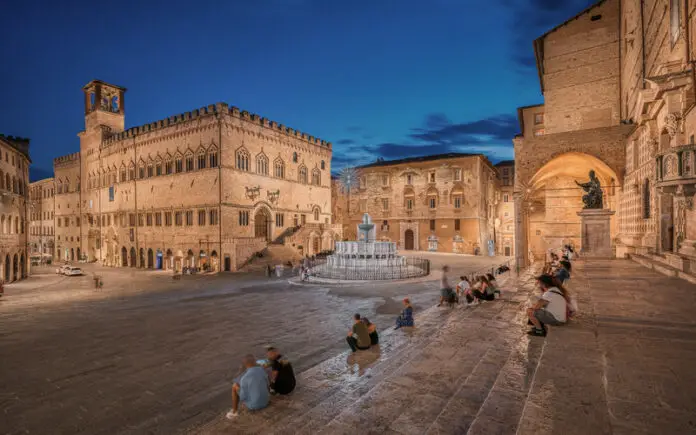
Perugia, perched atop a hill in the heart of Umbria, is a city steeped in history, art, and Etruscan heritage.

The Galleria Nazionale dell’Umbria houses an impressive collection of Italian Renaissance art, including works by Perugino and Pinturicchio. Stroll through the historic center, visit the Fontana Maggiore, and immerse yourself in the vibrant cultural scene that defines this charming city.

Ravenna: Mosaics and Byzantine Splendor

Ravenna, a city in Italy’s Emilia-Romagna region, is a treasure trove of Byzantine art and architecture. The city’s churches, baptisteries, and mausoleums are adorned with intricate mosaics that date back to the 5th and 6th centuries.

The Basilica di San Vitale and the Mausoleum of Galla Placidia are iconic landmarks that transport visitors to the golden age of Byzantine craftsmanship, making Ravenna a cultural destination unlike any other.

Parma: Gastronomy, Music, and Renaissance Charm

Parma, a city in the Emilia-Romagna region, is celebrated for its contributions to gastronomy, music, and Renaissance art. Home to the renowned Parmesan cheese and Parma ham, the city is a haven for food enthusiasts.

Parma’s historic center boasts architectural gems like the Palazzo della Pilotta and the Cathedral of Parma, while the Teatro Regio hosts world-class opera performances, contributing to the city’s rich cultural tapestry.

Siracusa: Ancient Wonders in Sicily

On the southeastern coast of Sicily, Siracusa (Syracuse) is an ancient city with a history spanning over 2,700 years.

The Archaeological Park of Neapolis, home to the Greek Theatre and the Ear of Dionysius, transports visitors to the classical era. Explore the charming island of Ortigia, with its narrow streets and Baroque architecture, and discover why Siracusa was once one of the most important cities in the ancient world.

Mantua: Renaissance Gem in Lombardy

Mantua, nestled in the Lombardy region, is a city that embodies the elegance of the Renaissance. The Palazzo Ducale, with its stunning frescoes, and the Rotonda di San Lorenzo are architectural masterpieces that showcase the city’s cultural heritage.

Stroll through the Piazza delle Erbe, visit the Mantua Cathedral, and delve into the artistic legacy that has earned Mantua recognition as a UNESCO World Heritage site.

Assisi: Spiritual Pilgrimage and Artistic Heritage

Perched on the slopes of Mount Subasio in Umbria, Assisi is a city of spiritual significance and artistic heritage. The Basilica of San Francesco is a UNESCO-listed site adorned with frescoes by Giotto and Cimabue, depicting the life of Saint Francis. The medieval streets of Assisi lead to the Rocca Maggiore, offering panoramic views of the surrounding countryside. A visit to Assisi is a journey into the heart of Italy’s spiritual and artistic legacy.

Italy’s cultural tapestry is woven with threads of history, art, and culinary delights. As you plan your travels for the coming year, consider venturing beyond the well-trodden paths to these 10 best cultural destinations in Italy. Each city promises a unique blend of historical significance, architectural splendor, and a vibrant cultural scene, inviting you to immerse yourself in the rich heritage of this captivating country.


10 Secretly Perfect Places In Northern Italy
Lake Orta: A Serene Retreat

Nestled in the shadow of its more famous neighbor, Lake Como, Lake Orta remains a serene oasis hidden from the tourist bustle. The picturesque town of Orta San Giulio, perched on the lake’s shores, boasts cobbled streets, historic buildings, and the enchanting Isola San Giulio.

A boat ride to this tiny island reveals a monastery and a sense of tranquility that makes Lake Orta a hidden gem for those seeking peaceful moments.

Mantua: Renaissance Splendor

Often overshadowed by nearby Verona and Venice, Mantua is a city that encapsulates the Renaissance’s splendor without the crowds. The Palazzo Ducale, with its stunning frescoes, and the Renaissance-era Teatro Bibiena are architectural masterpieces.

Stroll through the charming squares, explore the city’s medieval and Renaissance history, and discover the beauty that unfolds at every corner.

Val Grande National Park: Wilderness Retreat

For nature enthusiasts, Val Grande National Park is an untouched wilderness hiding in plain sight. Often overlooked in favor of the Dolomites, this park, located in the Piedmont region, offers rugged landscapes, dense forests, and pristine lakes.

It’s a haven for hikers seeking solitude amid nature’s grandeur. The trekking trails meander through valleys, revealing breathtaking vistas of the Italian Alps.

Varenna: Tranquil Lakeside Charm

While Lake Como draws attention, Varenna remains a tranquil lakeside town with an understated charm. With its colorful waterfront, historic villas, and cobbled lanes, Varenna invites visitors to explore its unhurried beauty.

The Vezio Castle, perched on a hill, offers panoramic views of the lake, creating a perfect setting for a relaxing day away from the bustling tourist spots.

Bellagio: Jewel of Lake Como

Nestled at the meeting point of Lake Como’s branches, Bellagio is a picturesque town that often escapes the limelight of its more famous neighbors.

Known as the “Pearl of Lake Como,” Bellagio boasts charming cobblestone streets, historic villas, and vibrant gardens. The iconic promenade along the lake offers stunning views of the surrounding mountains and the azure waters of Lake Como.

Crespi d’Adda: Industrial Heritage Gem

A UNESCO World Heritage site, Crespi d’Adda is a hidden industrial village near Milan. Built in the late 19th century, the village served as a model for factory communities.

The red-brick houses, the Crespi Castle, and the tree-lined streets showcase a unique blend of industrial architecture and social planning. A visit to Crespi d’Adda is a step back in time to witness the evolution of industrial Italy.

Bardolino: Wine Lover’s Paradise

Situated on the shores of Lake Garda, Bardolino is a wine lover’s paradise often overshadowed by more famous towns.

The region is renowned for its Bardolino wine, and the town’s vineyards offer wine tastings amid stunning lake views. Stroll along the lake promenade, explore the medieval town center, and savor the tranquil beauty that defines Bardolino.

Cinque Terre’s Less Traveled Trails

While Cinque Terre is no longer a secret, its less-traveled trails remain hidden from the crowds. Away from the bustling coastal villages, hikers can explore the network of trails that wind through vineyards and olive groves, revealing panoramic views of the rugged coastline.

For a quieter experience, head to the less-explored paths, such as the Santuario di Soviore trail, and embrace the untamed beauty of Cinque Terre.

Moltrasio: Lakeside Elegance

On the western shore of Lake Como, Moltrasio is a charming village with an air of elegance. The historic villas, such as Villa Passalacqua, showcase the area’s aristocratic past.

Stroll along the lake promenade, discover hidden gardens, and enjoy the tranquility that Moltrasio offers. With fewer tourists, it’s a perfect escape for those seeking a quieter side of Lake Como.

Bormio: Thermal Springs Haven

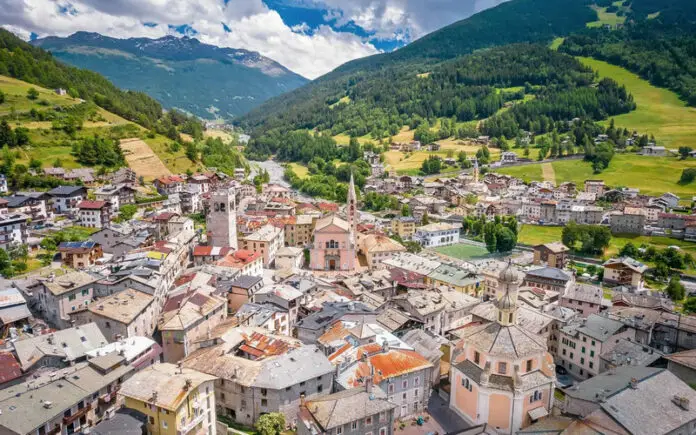
Tucked away in the Italian Alps, Bormio is a thermal springs haven that often escapes the radar of mainstream tourism. The Bormio Terme spa, nestled amid snow-capped peaks, offers a rejuvenating experience in natural thermal waters. In addition to relaxation, Bormio provides opportunities for outdoor activities, including skiing in the winter and hiking or cycling in the warmer months.

Northern Italy’s secretly perfect places beckon those who yearn for authentic experiences beyond the well-trodden paths. From tranquil lakeshores to hidden industrial villages, these gems offer a glimpse into Italy’s diverse landscapes and rich cultural tapestry.


7 Best Day Trips You Shouldn’t Miss From Venice, Italy
0

Burano: The Colorful Island

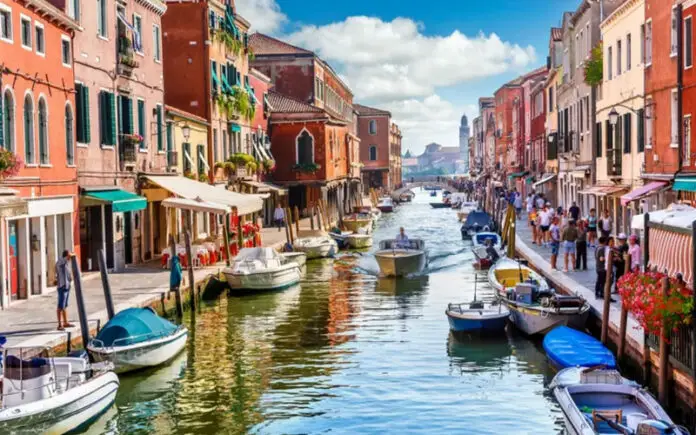
Just a short boat ride from Venice, Burano is a kaleidoscope of color waiting to be explored. Famous for its vibrant, pastel-colored houses lining the canals, this island is a haven for photographers and those seeking a delightful escape.

In addition to its charming streets, Burano is renowned for its lace-making tradition, with intricate handmade lace on display in local shops. A stroll through the island’s narrow alleys and a visit to the Lace Museum provide a glimpse into Burano’s rich cultural heritage.

Murano: The Glass Artistry Hub

Another gem in the Venetian lagoon, Murano is celebrated for its centuries-old tradition of glassmaking. The island is dotted with workshops and galleries showcasing exquisite glass artistry, from delicate sculptures to intricate chandeliers.

Visitors can witness skilled artisans at work and even try their hand at glassblowing in one of the many studios. Murano’s picturesque canals and the grandeur of the Church of Santa Maria and San Donato add to the island’s allure.

Padua: The City of Frescoes

For a dose of history and art, a day trip to Padua is highly recommended. Home to one of the oldest universities in the world, the city boasts a rich cultural legacy.

The Scrovegni Chapel, adorned with frescoes by Giotto, is a masterpiece that should not be missed. Stroll through the historic Prato della Valle, one of Europe’s largest squares, and visit the Basilica of Saint Anthony to admire its stunning architecture and artistic treasures.

Verona: Romance and Shakespearean Charm

Known as the city of love, Verona is a captivating destination just a train ride away from Venice. The iconic Arena di Verona, a well-preserved Roman amphitheater, hosts world-class operas and concerts during the summer months.

Explore the medieval streets, visit Juliet’s House, and stand on the balcony that inspired Shakespeare’s famous play. Verona’s romantic ambiance and historical sites make it a perfect day trip for lovers of art, literature, and culture.

The Dolomites: Alpine Majesty

For nature enthusiasts and adventure seekers, a day trip to the Dolomites offers a breathtaking escape from the Venetian canals. A two-hour drive from Venice leads to this UNESCO World Heritage site, where majestic peaks, lush valleys, and picturesque alpine villages await.

Whether you embark on a scenic drive through the mountain passes or opt for a hike to explore the natural wonders, the Dolomites provide an unforgettable encounter with Italy’s alpine beauty.

Vicenza: Architectural Elegance

A UNESCO World Heritage site, Vicenza is a city celebrated for the architectural genius of Andrea Palladio. A day trip unveils a plethora of Palladian masterpieces, including the renowned Basilica Palladiana, Teatro Olimpico, and Villa Rotonda.

The city’s elegant streets and piazzas showcase the timeless allure of Palladio’s designs, offering a journey through the history of Renaissance architecture.

Treviso: The Prosecco Trail

For wine enthusiasts, a day trip to Treviso provides a delightful journey along the Prosecco wine trail. Located in the heart of the Veneto region, Treviso is surrounded by vineyards producing Italy’s famous sparkling wine. Take a stroll through the charming town center, cross scenic canals, and savor local cuisine in one of the many trattorias. A visit to a nearby winery for a Prosecco tasting completes the perfect day exploring the flavors of the region.

While Venice’s allure is undeniable, the surrounding region offers a treasure trove of day trip possibilities that enrich the Italian experience. From the vibrant colors of Burano to the artistic legacy of Padua, each destination unveils a different facet of Italy’s cultural and natural wealth. Whether you’re drawn to history, art, nature, or culinary delights, these day trips from Venice promise unforgettable adventures, making your visit to this enchanting region truly complete.

10 Best Beach Towns In Italy With The Prettiest Views
Positano

Nestled along the Amalfi Coast, Positano is a vertical village that cascades down the cliffs overlooking the Tyrrhenian Sea.

Characterized by pastel-colored buildings, narrow streets, and vibrant bougainvillea, Positano provides an unparalleled view of the sparkling waters below. The beaches, such as Spiaggia Grande, are framed by towering cliffs, making it an ideal spot to soak up the Italian sun.

Cinque Terre

The Cinque Terre, a UNESCO World Heritage Site, is a collection of five charming fishing villages – Monterosso al Mare, Vernazza, Corniglia, Manarola, and Riomaggiore.

Perched on dramatic cliffs along the Ligurian coast, these towns offer breathtaking views of the Mediterranean. Visitors can hike between the villages, passing through vineyards and olive groves, or relax on the colorful harbors while enjoying fresh seafood.

Capri

Situated in the Gulf of Naples, the island of Capri is renowned for its luxurious ambiance and stunning vistas.

The Faraglioni rock formations and the famous Blue Grotto are must-see attractions that provide postcard-worthy views. Capri’s beaches, such as Marina Piccola and Bagni di Tiberio, offer a mix of relaxation and glamour, making it a haven for jet-setters and nature enthusiasts alike.

Taormina

Perched on the cliffs of Sicily’s eastern coast, Taormina boasts a captivating panorama of the Ionian Sea and Mount Etna. The town’s ancient Greek Theater, with its backdrop of azure waters, is an iconic spot to take in the sunset.

Isola Bella, a tiny island connected to the mainland by a narrow strip of sand, is another treasure offering splendid views and crystal-clear waters for swimming.

Amalfi

As the namesake of the Amalfi Coast, the town of Amalfi exudes charm with its historic architecture and stunning seaside setting.

The pastel-colored buildings climb up the mountainside, providing a stunning contrast against the deep blue sea. Visitors can explore the town’s cathedral, stroll along the harbor, and savor panoramic views from the scenic coastal roads.

Portofino

Tucked into the Italian Riviera, Portofino is a gem known for its upscale lifestyle and breathtaking scenery. The harbor, lined with pastel-colored buildings and luxury yachts, creates a glamorous backdrop.

The hiking trails around Portofino Regional Park offer panoramic views of the coastline and the Mediterranean, making it a haven for nature lovers.

Tropea

Perched on a cliff overlooking the Tyrrhenian Sea in Calabria, Tropea is a hidden paradise with pristine beaches and stunning views. The Santa Maria dell’Isola church, situated on a rocky promontory, adds a touch of magic to the landscape.

The town’s beaches, such as Tropea Beach and Grotticelle Beach, invite visitors to relax and enjoy the mesmerizing views of the coastline.

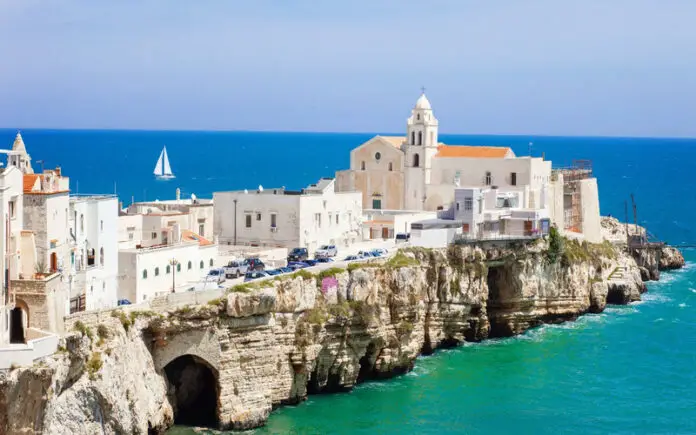
Vieste

Located on the Gargano Peninsula in Puglia, Vieste boasts a rugged coastline with golden beaches and sea caves. The historic old town, perched on a rocky outcrop, offers panoramic views of the Adriatic Sea.

Visitors can explore the medieval castle, wander through charming alleyways, and bask in the beauty of the Baia delle Zagare, a pristine bay with towering white cliffs.

Atrani

Often overshadowed by its more famous neighbor, Amalfi, Atrani is a hidden gem that retains its authentic Italian charm.

The town is nestled in a picturesque valley, with colorful houses stacked against the cliffs. Atrani’s small beach, surrounded by medieval architecture, provides a tranquil escape with stunning views of the Amalfi Coast.

San Vito Lo Capo

Situated on the northwestern coast of Sicily, San Vito Lo Capo is renowned for its pristine white sandy beaches and turquoise waters. The town is framed by the rugged Zingaro Nature Reserve, offering hiking trails with panoramic views of the coastline. The annual Cous Cous Fest, celebrating the town’s multicultural heritage, adds a lively touch to this Mediterranean paradise.

Italy’s coastline is a treasure trove of picturesque beach towns, each offering a unique blend of natural beauty, history, and culture. From the glamorous harbors of Portofino to the rugged cliffs of Cinque Terre, these destinations enchant visitors with their prettiest views. Whether you seek relaxation on sun-drenched beaches or exploration of ancient streets, Italy’s beach towns are sure to leave an indelible mark on your heart, inviting you to return and savor their timeless allure.


Visit These 10 Underrated Places In Italy This Summer
0

Brescia – Lombardy’s Hidden Gem

Nestled in the Lombardy region, Brescia often gets overshadowed by its more famous neighbors. However, this city boasts a rich history, charming architecture, and vibrant local life.

Explore the medieval Old Town, visit the impressive Brescia Castle, and wander through the picturesque squares. Don’t miss the chance to savor local delicacies in the trattorias and discover the lesser-known wonders of Lombardy.

Ascoli Piceno – The City of One Hundred Towers

Located in the Marche region, Ascoli Piceno is a hidden gem renowned for its medieval architecture, charming piazzas, and ancient bridges.

The historic center, with its numerous towers and palaces, transports visitors back in time. Enjoy a leisurely stroll through the Piazza del Popolo, indulge in the local cuisine, and witness the breathtaking views from the Ventidio Basso Theater.

Mantua – Renaissance Splendor in Lombardy

Often overlooked in favor of larger cities, Mantua is a UNESCO World Heritage site that exudes Renaissance charm.

Explore the magnificent Palazzo Ducale, stroll through the atmospheric streets, and marvel at the architectural wonders of Piazza delle Erbe. Cruise along the serene lakes surrounding the city, and immerse yourself in the artistic and cultural legacy of this hidden treasure in Lombardy.

Urbino – The Cradle of the Renaissance

Tucked away in the Marche region, Urbino is a UNESCO-listed city celebrated for its well-preserved Renaissance architecture.

Visit the iconic Palazzo Ducale, the birthplace of renowned artist Raphael, and explore the charming streets that transport you to a bygone era. Discover the cultural richness and artistic heritage of Urbino, making it a perfect destination for history and art enthusiasts.

Orvieto – Etruscan Elegance in Umbria

Perched atop a volcanic tuff cliff in Umbria, Orvieto is a town that captivates with its Etruscan roots and medieval charm.

Explore the impressive Orvieto Cathedral, stroll through the underground tunnels, and enjoy panoramic views of the Umbrian countryside. Indulge in local wines, particularly the Orvieto Classico, and savor the delectable cuisine in the town’s traditional trattorias.

Bolsena – Tranquility by the Lake

Escape the hustle and bustle of more popular destinations and head to Bolsena, a peaceful town nestled on the shores of Lake Bolsena in Lazio. Enjoy the serene ambiance, take a boat ride on the lake, and visit the medieval Castle of Bolsena.

The town’s laid-back atmosphere, coupled with its historical charm, makes it an ideal retreat for those seeking relaxation and authenticity.

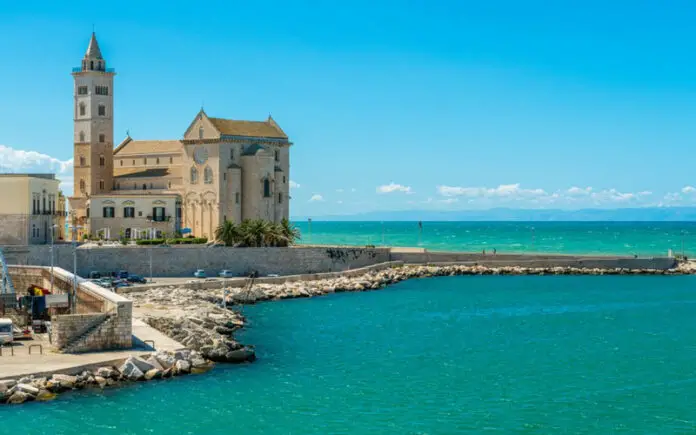
Trani – Seaside Elegance in Apulia

Trani, located in the Apulia region, is a coastal town that often slips under the radar. Admire the stunning architecture of the Trani Cathedral overlooking the sea, stroll along the picturesque harbor, and enjoy fresh seafood at waterfront restaurants.

With its charming streets and historic landmarks, Trani offers a perfect blend of seaside beauty and cultural richness.

Montefalco – The Balcony of Umbria

Known as the “Balcony of Umbria,” Montefalco offers breathtaking views of the surrounding vineyards and olive groves. This hilltown, surrounded by medieval walls, is famous for its Sagrantino wines.

Explore the charming streets, visit the local wineries for tastings, and enjoy the tranquility of this hidden gem in the heart of Umbria.

Alberobello – Whimsical Trulli Village

While gaining some popularity, Alberobello in Apulia still remains somewhat underrated compared to other Italian destinations. This UNESCO World Heritage site is known for its unique trulli houses with conical roofs.

Wander through the narrow streets of the Rione Monti district, visit the Trullo Sovrano, and immerse yourself in the magical atmosphere of this fairytale-like village.

Aosta – Roman Ruins in the Alps

Nestled in the Aosta Valley, Aosta is a city with a rich history dating back to Roman times. Explore well-preserved Roman ruins, including the Arch of Augustus and the Roman Theater. Surrounded by the majestic Alps, Aosta offers a blend of ancient history and alpine charm. Wander through the cobbled streets, visit the medieval Aosta Cathedral, and soak in the unique ambiance of this underrated destination.

Italy’s lesser-known destinations offer a chance to escape the crowds and discover the country’s hidden gems. From the historic streets of Mantua to the seaside elegance of Trani, these underrated places promise an authentic Italian experience. This summer, consider exploring the beauty and charm that lie beyond the popular tourist routes, and you’ll be rewarded with unforgettable moments and a deeper appreciation for Italy’s diverse cultural tapestry.


10 Unique Italian Summer Destinations (That Aren’t Rome Or Venice)
Matera – The Ancient City of Caves

Nestled in the southern region of Basilicata, Matera is a UNESCO World Heritage site known for its ancient cave dwellings, called “Sassi.”

Carved into limestone cliffs, these caves have been transformed into boutique hotels, restaurants, and shops, offering a unique and enchanting experience. Explore the winding alleys, visit the cave churches, and immerse yourself in Matera’s timeless charm.

Cinque Terre – The Colorful Coastal Villages

While Cinque Terre may not be entirely off the beaten path, these five picturesque coastal villages – Monterosso al Mare, Vernazza, Corniglia, Manarola, and Riomaggiore – offer a tranquil escape from the bustling tourist spots.

Hike along the breathtaking cliffside trails, savor fresh seafood, and admire the vibrant houses that cling to the rugged coastline.

Puglia – The Heel of Italy’s Boot

Puglia, located in the southeastern part of Italy, is a region characterized by olive groves, whitewashed trulli houses, and pristine beaches.

Explore the charming towns of Alberobello and Ostuni, where you’ll find unique architecture and a relaxed atmosphere. Enjoy the region’s culinary delights, including fresh seafood, locally produced olive oil, and exquisite wines.

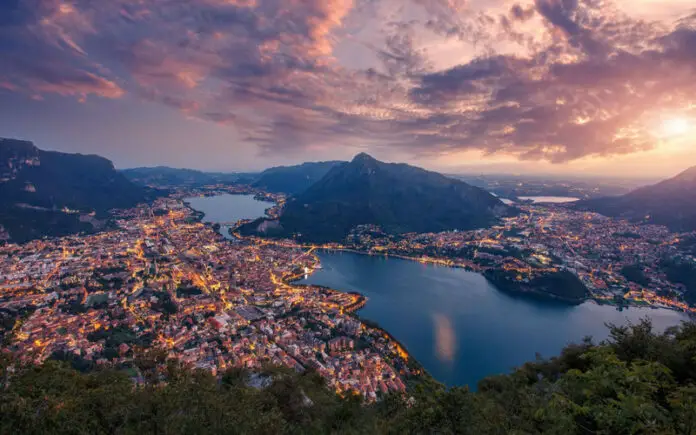
Lake Como – Serenity in the Northern Lakes

Escape to the tranquil beauty of Lake Como, surrounded by lush hills and charming lakeside villages. Bellagio, Varenna, and Menaggio are postcard-perfect towns that offer a peaceful retreat.

Take a leisurely boat ride, stroll through the elegant gardens of Villa Carlotta, and savor the local cuisine at waterfront restaurants.

Trentino-Alto Adige – Alpine Bliss

For a refreshing break from the summer heat, head to the northern regions of Trentino and Alto Adige. Surrounded by the majestic Dolomite Mountains, this area is a haven for outdoor enthusiasts.

Enjoy hiking, cycling, and exploring the charming villages like Bolzano and Merano. Don’t forget to sample the region’s unique blend of Italian and Austrian culinary influences.

Sicily’s Aeolian Islands – Volcanic Wonders

Off the coast of Sicily, the Aeolian Islands present a fascinating blend of volcanic landscapes and crystal-clear waters. Lipari, Salina, and Stromboli are among the highlights, each offering a distinctive charm.

Explore ancient ruins, relax on pristine beaches, and witness the natural fireworks of Stromboli’s active volcano.

Bologna – Culinary Capital of Italy

Known as the gastronomic heart of Italy, Bologna is a city that captivates the senses with its rich culinary traditions.

Explore the medieval architecture, stroll through the historic Piazza Maggiore, and indulge in local delicacies such as handmade pasta, mortadella, and gelato. Bologna is a paradise for food lovers seeking an authentic Italian experience.

Sardinia – Beach Paradise in the Mediterranean

Sardinia, the second-largest island in the Mediterranean, boasts stunning beaches with turquoise waters and rugged landscapes.

Discover the Costa Smeralda for glamorous resorts, or head to the less-explored areas like Cala Gonone for a more laid-back atmosphere. Explore ancient nuraghe structures and savor the island’s unique cuisine.

Urbino – Renaissance Splendor

Urbino, a UNESCO World Heritage site, is a gem in the region of Marche. This small hilltown is renowned for its well-preserved Renaissance architecture, including the Palazzo Ducale.

Wander through the narrow streets, visit the birthplace of artist Raphael, and experience the cultural richness of this historical town.

Ravenna – Mosaic Marvels

Located in the Emilia-Romagna region, Ravenna is a city with a rich history and a wealth of stunning Byzantine mosaics. The UNESCO-listed monuments, including the Basilica di San Vitale and the Mausoleum of Galla Placidia, showcase intricate designs and vibrant colors. Explore the charming streets, visit Dante’s tomb, and immerse yourself in the artistic beauty of this lesser-known Italian gem.

Italy’s allure extends far beyond the well-known cities of Rome and Venice. These 10 unique summer destinations showcase the country’s diverse landscapes, rich history, and warm hospitality. Whether you’re seeking coastal beauty, alpine adventures, or culinary delights, these lesser-known gems promise an authentic Italian experience, ensuring an unforgettable summer getaway.